A SouthShore Area Tree Service Guide
Tree failure during Florida storms is one of the most common reasons homeowners in the SouthShore area call a professional tree service after heavy wind and rain.
If you’ve ever seen a massive oak or pine suddenly topple during a storm, it might seem random or unavoidable. But in reality, most trees that fail during storms were already dealing with hidden structural problems long before the wind arrived.
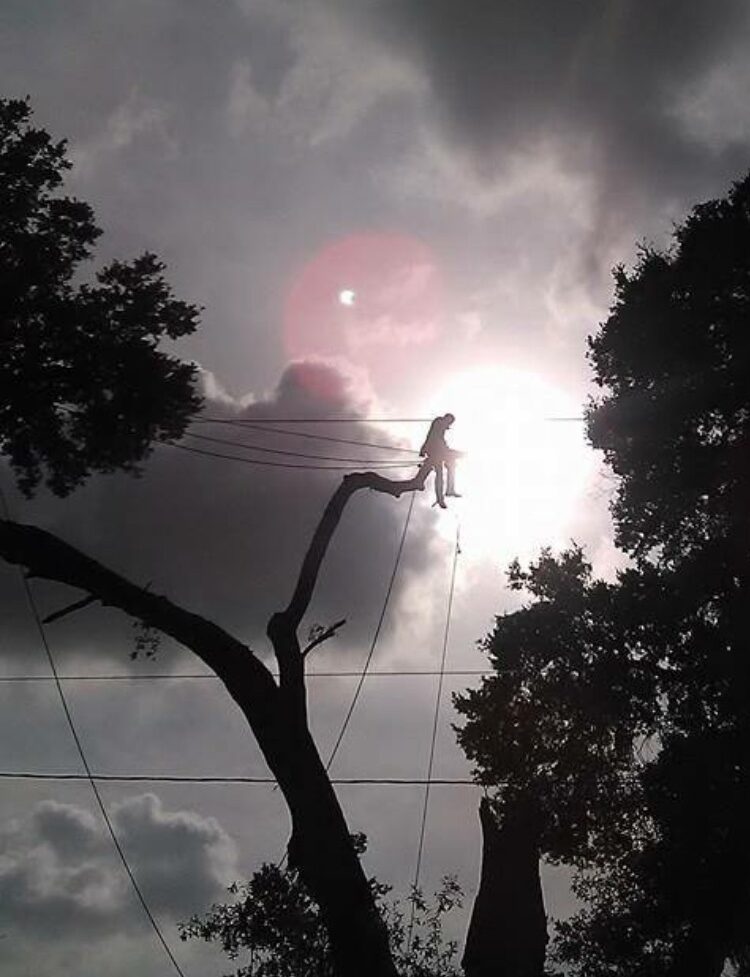
As a trusted tree service in the SouthShore area, the team at TJay’s Tree Service sees the same patterns over and over after major storms. Understanding why trees fail can help homeowners prevent damage, protect their property, and address issues before hurricane season arrives.
Let’s take a closer look at the most common reasons tree failure during Florida storms happens and what can be done to reduce the risk.
Root Plate Failure: A Major Cause of Tree Failure During Florida Storms
One of the most dramatic types of tree failure during Florida storms is called root plate failure.
This is when the entire root system lifts out of the ground and the tree falls over, often bringing a large section of soil with it.
In the SouthShore area, this is especially common because Florida soil conditions can make it difficult for trees to establish deep, stable roots.
Several factors contribute to this problem:
• Shallow root systems
• Compacted soil
• Construction damage around roots
• Trees planted too close to structures
• Poor soil conditions
When strong winds hit during storms, a tree with a weak root system can essentially act like a lever, pulling the root plate out of the ground.
A professional tree service in the SouthShore area, like TJay’s Tree Service, can evaluate root health and identify trees that may be at risk before storm season begins. A professional inspection can identify root instability before storms hit.
How Saturated Soil Causes Tree Failure During Florida Storms
Florida storms often bring heavy rain before the wind even arrives, and that creates another major problem.
When the soil becomes fully saturated with water, it loses its ability to hold tree roots firmly in place.
In the SouthShore area, where sandy soil is common, this can happen very quickly. Florida’s sandy soil and storm patterns play a major role in tree stability, as outlined in Florida tree care recommendations.
Once the ground becomes soft, even a healthy tree can become unstable when strong winds begin pushing against the canopy.
This combination of wet soil and wind pressure is one of the biggest drivers of tree failure during Florida storms.
A professional tree service in the SouthShore area will often recommend proactive trimming to reduce canopy weight before storm season. Reducing the overall wind load on a tree helps prevent it from being pushed over when the soil becomes saturated.
Weak Branch Unions and Storm Tree Damage
Not all tree failures involve the entire tree falling over.
Sometimes the problem is structural weakness where branches connect to the trunk, known as weak branch unions.
This often occurs when two stems grow together in a tight “V” shape. Instead of forming strong wood fibers between them, bark becomes trapped in the joint.
Over time, that connection becomes a structural weak point.
During high winds, these weak unions can split apart suddenly, causing large limbs to fall.
Weak branch unions are one of the most common reasons homeowners in the SouthShore area experience sudden limb failures during storms.
A skilled tree service in the SouthShore area, like TJay’s Tree Service, can identify these structural issues during routine inspections and reduce the risk through corrective pruning.
Internal Decay You Can’t See
One of the most dangerous causes of tree failure during Florida storms is internal decay.
From the outside, a tree might look perfectly healthy. But inside, the structural wood may be hollow, rotting, or compromised.
Common warning signs include:
• Mushrooms growing near the base
• Soft or crumbly wood
• Hollow sounds when tapped
• Cracks in the trunk
• Large dead branches
However, many times there are no obvious signs at all.
That’s why professional inspections are important. A trained tree service in the SouthShore area knows how to identify subtle indicators that homeowners might miss.
At TJay’s Tree Service, we often find internal decay in trees that looked completely normal to the homeowner before a storm.
Unfortunately, once strong winds arrive, these weakened trees are far more likely to fail.
Poor Pruning From the Past
Another major cause of tree failure during Florida storms is improper pruning.
Many trees in the SouthShore area have been trimmed incorrectly at some point in their life. This might include:
• Topping trees
• Cutting too many limbs at once
• Leaving large wounds exposed
• Removing branches unevenly
• Hiring unqualified trimmers
These mistakes can weaken the tree’s structure and create long-term problems that aren’t obvious until years later.
Poor pruning can lead to:
• Weak regrowth
• Structural imbalance
• Decay entering through large cuts
• Branches that grow in unstable directions
When storms arrive, these compromised trees are much more likely to experience tree failure during Florida storms.
Working with a knowledgeable tree service in the SouthShore area, such as TJay’s Tree Service, ensures that pruning is done properly and supports the long-term health of the tree.
The Wind Sail Effect
Another important factor in tree failure during Florida storms is something called the wind sail effect.
Think of a tree canopy like the sail on a boat.
The larger and denser the canopy becomes, the more wind it catches during storms.
When wind pushes against a dense canopy, it creates enormous pressure on the trunk and root system.
That pressure can cause:
• Limbs to snap
• Trunks to split
• Trees to uproot entirely
Proper canopy management reduces this risk significantly.
A professional tree service in the SouthShore area can thin the canopy strategically to allow wind to pass through the branches instead of pushing against them like a sail.
This simple step can dramatically reduce the chances of tree failure during Florida storms.
Preventing Tree Failure Before Storm Season
While storms are unavoidable in Florida, many tree failures can be prevented with proactive care.
Homeowners in the SouthShore area should consider scheduling a professional tree inspection before peak storm season each year.
A reputable tree service in the SouthShore area will look for:
• Structural weaknesses
• Root stability issues
• Dead or hazardous limbs
• Signs of decay
• Canopy density problems
At TJay’s Tree Service, we focus on identifying these risks early so homeowners can make informed decisions before a storm exposes the problem.
Preventive trimming and maintenance are almost always more affordable than emergency tree removal after a storm.
Protecting Your Property in the SouthShore Area
Trees are one of the most valuable features of any property. They provide shade, beauty, and character to homes throughout the SouthShore area.
But when structural issues go unnoticed, those same trees can become a serious hazard during Florida storms.
Understanding the real causes of tree failure during Florida storms helps homeowners take action early.
If you’re unsure about the health or stability of the trees on your property, it may be time for a professional evaluation.
TJay’s Tree Service is a family-owned tree service in the SouthShore area, helping homeowners maintain safe, healthy trees with professional trimming, inspections, and removals when necessary.
Florida tree care recommendations: A quick inspection today can help prevent costly damage tomorrow.
If you’re in the SouthShore area and want to protect your property before storm season, now is the time to act.
TJay’s Tree Service offers professional inspections, trimming, and removal services to keep your trees safe and stable.
Contact us today to schedule an inspection and avoid costly storm damage.
Recent Comments